
Errors when painting facades
Common Mistakes in Exterior Painting and How to Avoid Them
Painting a facade is not just about aesthetics, but primarily about protecting the building from moisture, temperature fluctuations, and UV rays. Even high-quality paint will not yield the expected results if the application technology is violated. According to statistics, most facade problems arise specifically due to failure to follow the manufacturer's recommendations regarding surface preparation and application of finishing materials.
Let's look at the most common mistakes and the correct ways to fix them.
1. Cracks in the Paint Coating
Causes:
- applying a layer of paint that is too thick;
- using inelastic paint;
- painting on an unstable or unprepared base.
- painting at low temperatures.
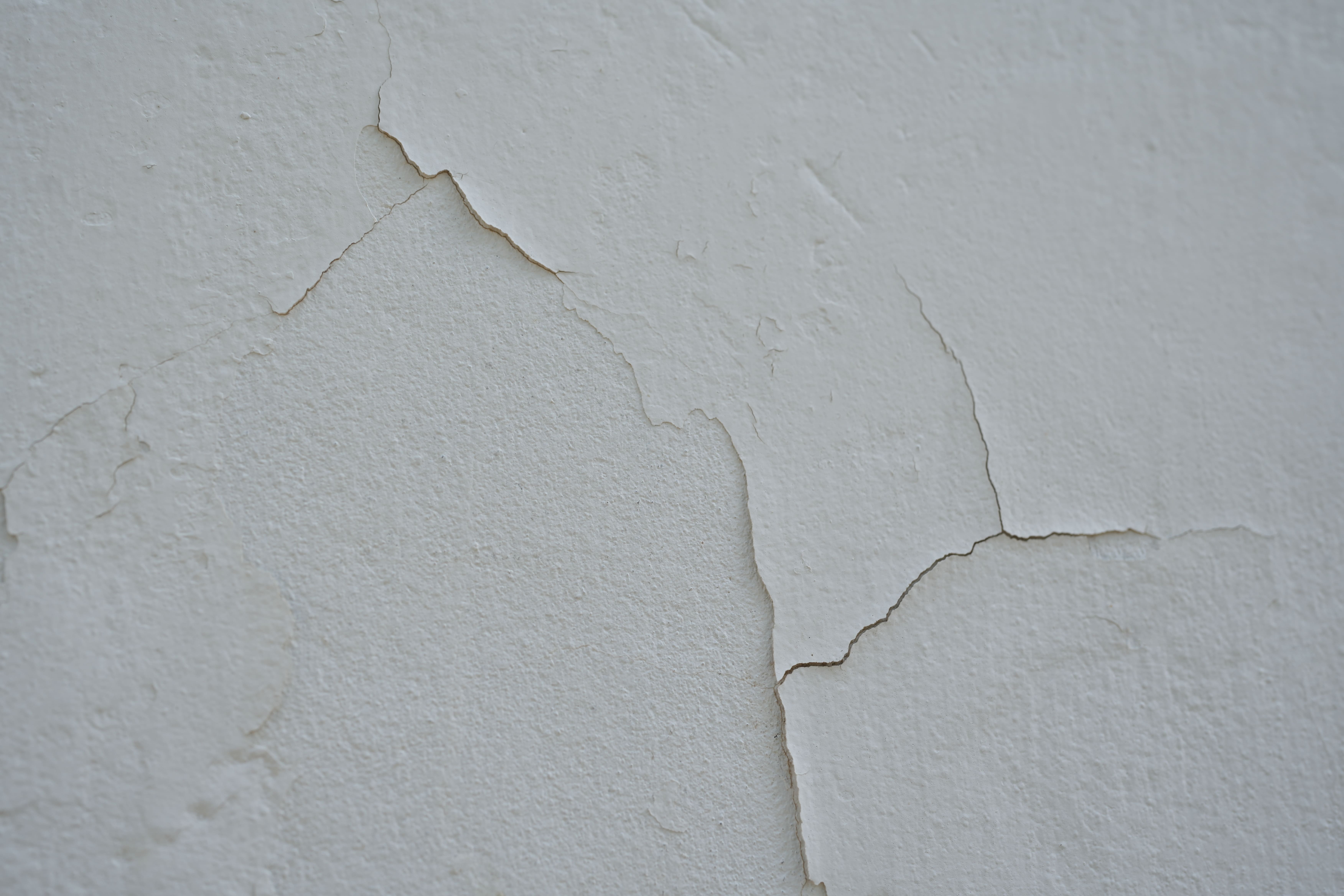
How to fix: Remove the old paint coating to the base, prime the surface, apply primer-paint, and after drying — apply the final facade coating according to the project.
2. Cracks in the Facade Base
Causes:
- building settlement;
- micro-cracks in the plaster;
- lack of base repair before painting.
- errors in the execution of the insulation system.
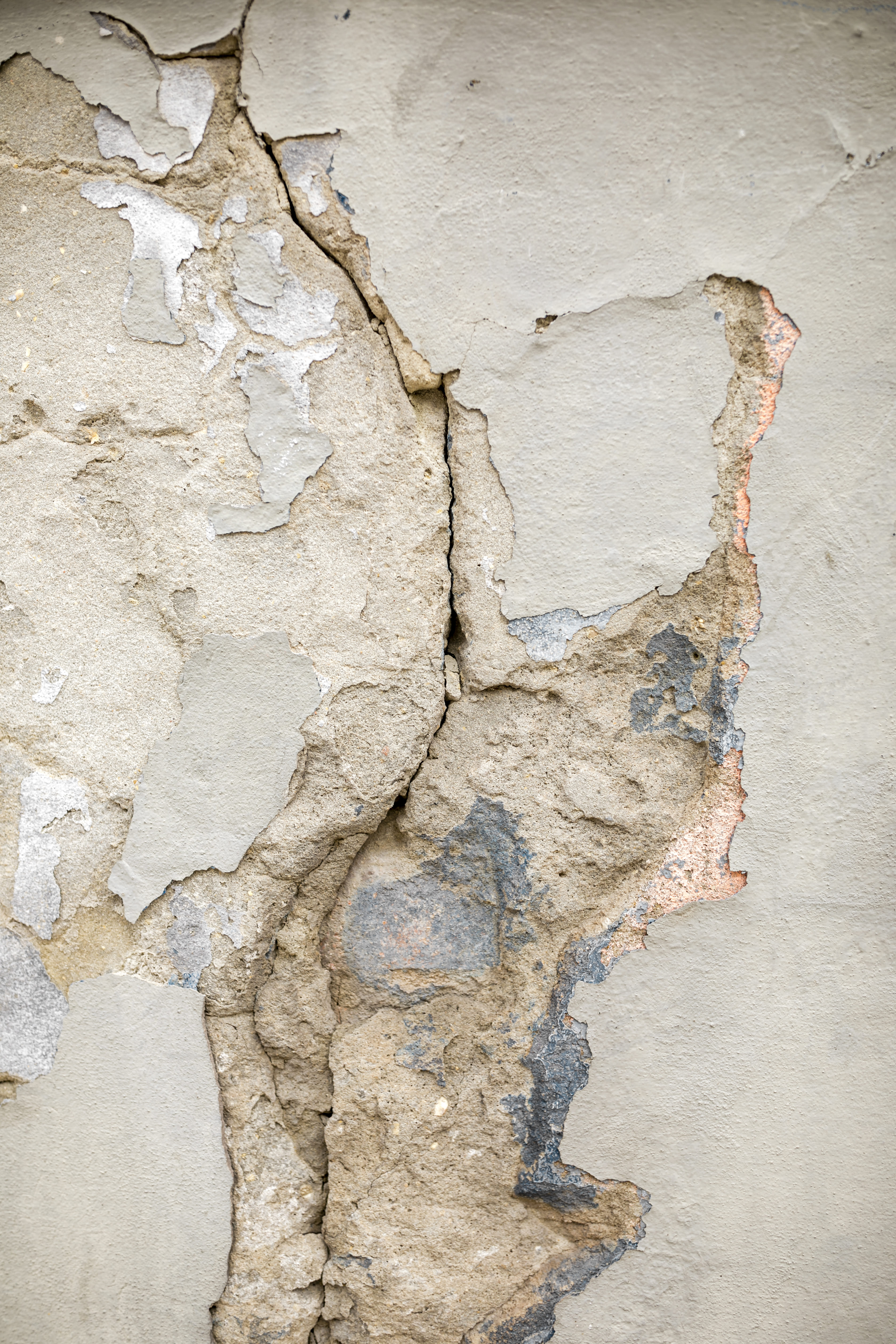
How to fix: Correct errors made during the execution of the insulation system. Open up the cracks, clean the surface, prime, fill with repair mortar, sand, re-prime, and paint with facade paint.
👉 Important: paint does not replace base repair.
3. Peeling and Flaking Paint
Causes:
- painting on a damp base;
- absence or incorrect selection of primer;
- dust, chalky layer, residue of old paint.
- smooth base (e.g., over-primed surface)
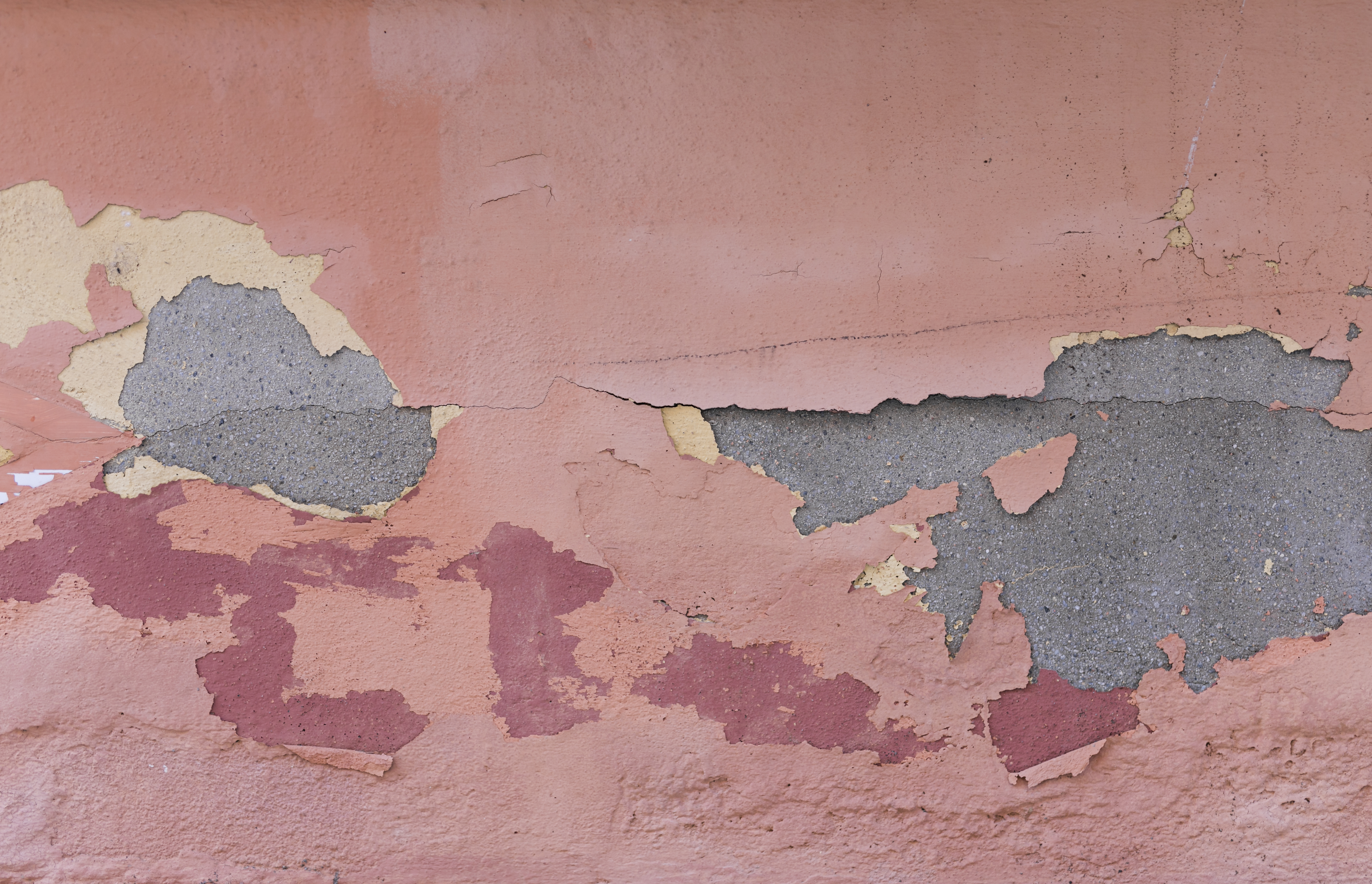
How to fix: Completely remove peeling paint, clean surface imperfections, allow the base to dry, thoroughly clean and de-dust the surface, apply an appropriate deep-penetration primer, and then paint the facade.
👉 Important: follow the application conditions recommended by the manufacturer (temperature, humidity, drying time).
4. Bubbles and Blistering on the Surface
Causes:
- moisture inside the wall;
- painting under direct sun or on a hot surface;
- poor vapor permeability of the coating.
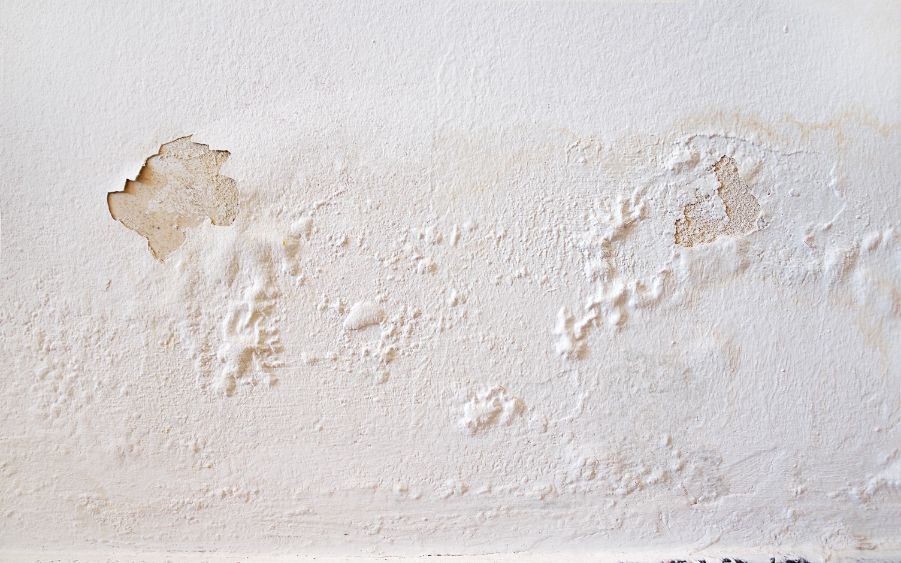
How to fix: Remove damaged areas, eliminate the source of moisture, let the facade dry completely, prime, and apply vapor-permeable facade paint. Paint according to the temperature regime — in the morning or evening during summer, or under a protective mesh during the day.
👉 Recommendation: choose a primer according to the surface type and facade paint.
5. Streaks and Tool Marks
Causes:
- painting at high temperatures or in strong wind;
- insufficient amount of paint on the roller;
- violation of the "wet edge" technique.
- touching up an area that has changed color over time.
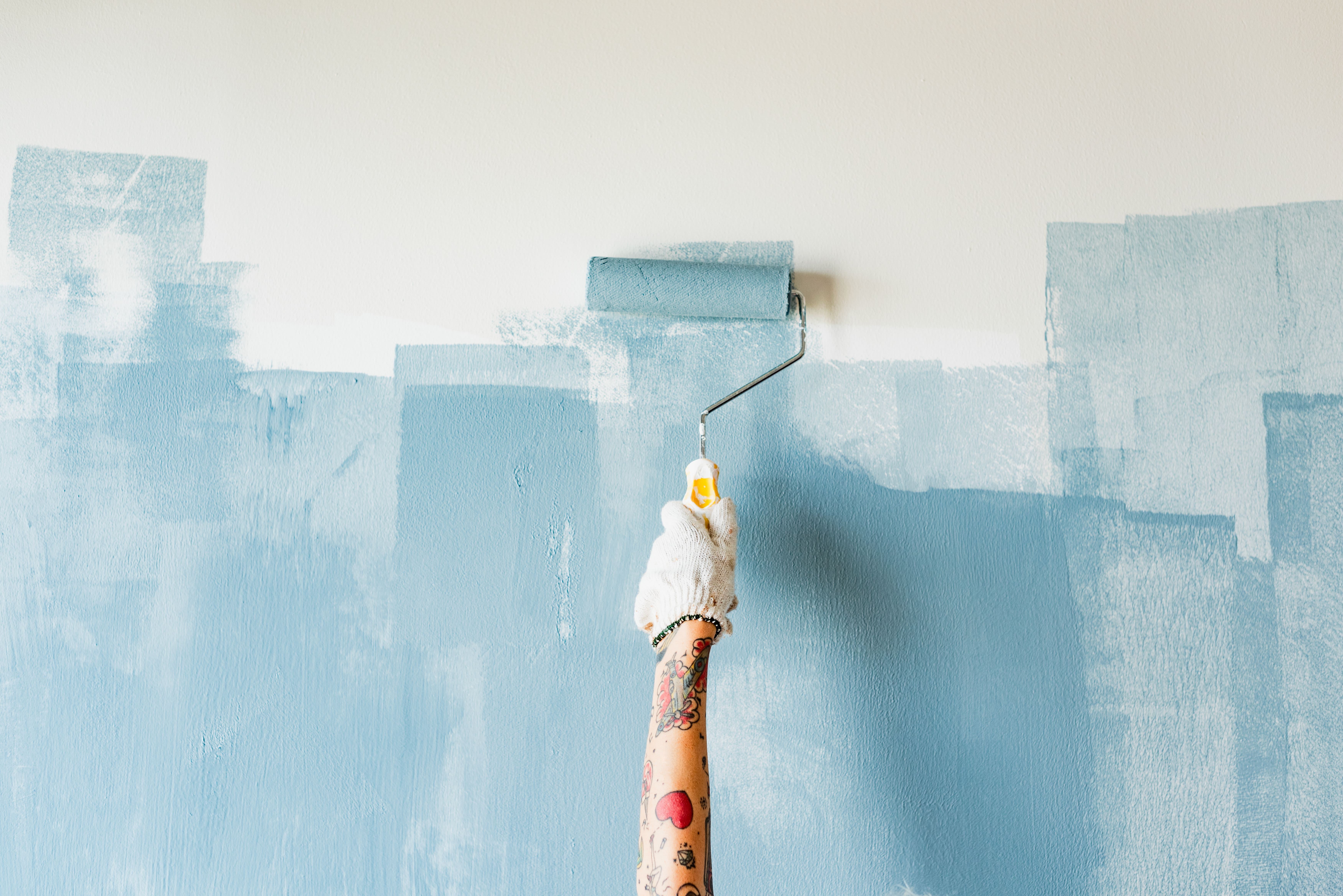
How to fix: Lightly sand the surface, follow recommended application conditions, paint without breaks, maintaining a wet edge.
👉 Important: use tools recommended for facade paints and apply the material in even layers.
Conclusion
Proper facade preparation, using high-quality primer and facade paint — is not an extra expense, but an investment in the building's longevity. Adhering to proven technology allows you to avoid common mistakes and maintain a neat appearance of the facade for many years.